

Author: Vineet

  • How Hyundai is Killing Maruti Suzuki in India? : Hyundai Business case study

    How Hyundai is Killing Maruti Suzuki in India? : Hyundai Business case study

    Hi everybody! Hyundai is one of the most iconic companies to enter the Indian market, and it’s hard to believe that a South Korean brand, once difficult to pronounce, is now on the verge of launching the biggest IPO in India’s history. Indian stock markets could soon witness their largest IPO as Hyundai, the South Korean automaker, is preparing for a major milestone—going public in India. Hyundai’s IPO is poised to be one of the largest in recent times, possibly the biggest ever in India’s history, and the first for an automaker since Maruti Suzuki in 2003.
    Back in 1996, when Hyundai entered the Indian market, Maruti was the dominant player, holding 60% of the market share, and essentially had a monopoly among the middle class. But despite the overwhelming presence of Maruti, Hyundai made its mark with models like the Santro, i10, i20, and Creta. It disrupted the Indian automobile sector to such an extent that today, Hyundai is the second-largest automaker in the country, boasting a profit of ₹4,653 crores. In terms of profitability, Hyundai has outpaced Maruti—while Hyundai earned ₹65,355 per vehicle in FY23, Maruti made only ₹4,939 per vehicle.

    After 28 years of establishing a stronghold in the Indian market, Hyundai now plans to raise ₹25,000 crores with its IPO. Sounds fantastic, right? But there are some hidden risks that could jeopardize all the progress Hyundai has made in India. These risks are outlined in the 436-page DRHP (Draft Red Herring Prospectus) document Hyundai filed with SEBI. We sifted through all this data so you can sit back and enjoy the key insights from this massive document.

    In today’s blog, we’ll explore how a South Korean company like Hyundai broke into the Indian automobile market, leaving behind giants like Tata and Mahindra. Despite being a foreign company, how did Hyundai achieve such high profitability and surpass a behemoth like Maruti in India? And most importantly, after such remarkable progress, what are the hidden risks that could potentially derail Hyundai’s growth in India?

    Before we dive in, a quick disclaimer: I am not a SEBI-registered investment adviser, and this blog is not intended to provide investment advice. It is meant to educate you about the rise of Hyundai in India.

    Hyundai’s Secret to Success in India

    To understand Hyundai’s success, you need to look at its core philosophy. As we saw in our Boeing episode, no matter how much profitability or earnings per share a company achieves, if it strays from its core philosophy, those numbers can crumble. So, what is the secret recipe behind Hyundai’s success in India?

    This story dates back to the early 1990s. At that time, India had very few car brands, such as Hindustan Ambassador, Premier Padmini, and Maruti 800. However, in 1991, India’s Finance Minister, Dr. Manmohan Singh, liberalized the Indian economy, opening the doors for foreign direct investment. This allowed foreign automobile companies to rush into India.

    Most foreign companies focused on catering to the rich, selling premium cars like the Lancer, Opel Astra, and Ford Ecosport. However, Hyundai took a different approach. They identified key gaps in the market:

    1. Customer Treatment: The Indian automobile market did not respect customers. Customers were put on long waitlists, after-sale service was poor, and customer feedback was ignored.
    2. Design Suitability: Compact cars at that time didn’t address India-specific issues, such as accommodating people who wore turbans or managing the intense Indian heat with an efficient cooling system.
    3. Market Potential: In a 35 to 40°C atmosphere, cars were often damaged due to poor road conditions and monsoon seasons. Moreover, even the wealthy wanted multiple compact vehicles per household for convenience. While the sale of midsize vehicles barely touched 30,000 units, Hyundai realized that the compact vehicle segment had the potential to reach 60 to 80,000 units in annual sales.

    Hyundai launched the iconic compact car for India, the Hyundai Santro. What’s unique about the Santro? It featured the most powerful Epsilon engine and computerized multipoint fuel injection, making it more fuel-efficient. The Santro was a complete value-for-money product for Indian consumers because Hyundai focused on the smallest details that no other car companies noticed. For instance, they increased the vehicle’s height to accommodate Indians who wore turbans, earning the Santro the nickname “tall boy model.” They also improved their air conditioning system to cool down the car even when the outside temperature was 35 to 40°C. Hyundai meticulously designed a model specific to the Indian consumer. To take it to another level, while most companies were manufacturing outside India, Hyundai set up a large-scale manufacturing plant in India itself. This move gave them two incredible advantages: low-cost production and the ability to produce cars at scale for the next 30 years. The Santro was not only a high-quality car with great features, but it was also cost-effective. Hyundai ensured they had dealerships not just in tier-1 cities but also in tier-2 and tier-3 cities. One of the most brilliant things Hyundai did was hire Shah Rukh Khan as their brand ambassador. By adopting a localization strategy, focusing on better services in tier-2 and tier-3 cities, customizing a car specifically for the Indian market, and connecting with the audience through Shah Rukh Khan, the Santro became a massive success in India. And they didn’t stop there.

    Expanding Horizons: Hyundai’s Continued Growth

    Hyundai went on to find another gap in the market in the early 2000s. At that time, the market mostly consisted of small hatchbacks like the Santro, Maruti Ritz, or Maruti Alto, and premium luxury cars like the Honda City or Audi A6. There was a gap for a mid-range product, similar to today’s smartphone market, where budget phones and high-end ones are available, but mid-range phones like OnePlus fill the gap. During the early 2000s, the middle-class Indians had only small hatchbacks like the Alto as an option, with no choice for an upgrade. This is where Hyundai saw an opportunity. In 2007, they launched the i10, followed by the i20 in 2008. They successfully launched both a mid-range and upper mid-range product, and not surprisingly, both cars were a huge hit. The i10 was priced between ₹3.5 to ₹6 lakh, while the i20 was between ₹4.2 to ₹8 lakh, offering premium features at reasonable prices. With multiple variants and vibrant colors, they provided cars that looked premium without being too expensive, much like the appeal of OnePlus in the smartphone market. Both the i10 and i20 became extremely popular in India.

    In 2016, Hyundai took another leap with the Creta. Back then, only 10% of cars sold in India were SUVs, including models like the Innova, Safari, and Scorpio. But there were no mid-sized SUVs with a competitive price range of ₹8-9 lakh that offered premium features. Hyundai saw this gap and launched the Creta in 2016. The Creta combined space, premium interiors, and features without being as expensive as premium cars. This move paid off as the Creta became a best-seller, reaching 10 lakh sales in India by February 2024. Hyundai became the biggest mid-sized SUV seller in India with a 30% market share.

    Hyundai’s success is based on a philosophy of thoroughly studying the market, identifying gaps, and offering value-for-money products that meet specific customer needs. The Santro disrupted Maruti, the i10 targeted Alto, and the Creta overshadowed models like the Duster, Scorpio, Safari, and Innova. Hyundai also provided exceptional after-sales service in tier-1, 2, and 3 cities. This philosophy has driven Hyundai’s growth from 1996 to 2024. Understanding this is key for investors who want to predict Hyundai’s next moves.

    Financial Insights and Challenges

    Now, let’s move on to the numbers. Looking at Hyundai’s EBITDA margins for the nine months ending in December 2023, Hyundai stood at 12.7%, while Maruti was at 13.3%, and Tata Motors at 6.1%. But how did Hyundai reach such high profitability? The first reason is their premiumization strategy.

    Maruti and Hyundai operate with different business models: Maruti sells low-margin, high-volume products like hatchbacks, while Hyundai focuses on high-cost, high-margin vehicles such as SUVs. For instance, Hyundai India derives 66% of its domestic sales from SUVs, whereas Maruti obtains 70.5% of its volume solely from hatchbacks. Hyundai’s financial strength is further exemplified by its robust free cash flow, which is the money remaining after all expenses and taxes. To clarify the difference between free cash flow and profit after tax (PAT), let’s use a bakery as an example. Suppose the bakery earns a revenue of 5 lakh rupees. The operating expenses total 3 lakh rupees, and taxes amount to 50,000 rupees, resulting in a PAT of 1.5 lakh rupees. Free cash flow includes PAT minus capital expenditure and working capital. If the bakery’s capital expenditure is 1 lakh rupees and working capital is 50,000 rupees, the free cash flow will be zero. Free cash flow is essential for a company’s growth, as it’s used to expand the business, pay dividends, and reduce debt. Hyundai’s impressive free cash flow indicates the company’s financial health and its capacity for future growth. In FY23, Hyundai generated ₹19,591 crore in free cash flow, whereas Maruti’s free cash flow was ₹15,128 crore.

    Despite these financial achievements, Hyundai faces challenges. The Indian automobile market is expected to grow at a compound annual growth rate of 6-7% from 2023 to 2028. To sustain this growth, Hyundai needs to diversify its product range and enter new segments. The company is already working on electric vehicles (EVs) and hybrid technology to cater to changing market demands. Additionally, the government’s push for electric vehicles and stricter emission norms are driving the industry towards sustainability. Hyundai’s commitment to innovation and sustainability will be crucial in maintaining its competitive edge in the evolving market.

    Key Takeaways and Future Outlook

    So, what should investors and industry watchers take away from Hyundai’s story? Hyundai’s rise in India exemplifies the importance of understanding market gaps, focusing on customer needs, and continuously innovating. The company’s success with models like the Santro, i10, i20, and Creta highlights its ability to adapt and excel in a competitive market.

    Hyundai’s upcoming IPO represents a significant milestone for the Indian stock market and a testament to the company’s achievements in India. However, potential risks and market challenges must be carefully considered. As Hyundai continues to expand its product offerings and invest in new technologies, its ability to navigate these challenges will determine its future success.

    For those interested in exploring investment opportunities or learning more about Hyundai’s market strategies, the IPO presents a unique chance to witness a significant event in India’s financial landscape. Keep an eye on Hyundai’s developments as they continue to shape the future of the Indian automobile industry.

    Thank you for tuning in! Don’t forget to like, share, and subscribe for more insights into the world of finance and business.

    Source – How Hyundai is Killing Maruti Suzuki in India? : Hyundai Business case study

  • Vaishno Devi Yatra Guide

    Vaishno Devi Yatra Guide

    Vaishno Devi is one of the most revered pilgrimage destinations in India, drawing millions of devotees from across the globe each year. Nestled in the Trikuta Mountains of Jammu and Kashmir, the holy shrine is dedicated to Goddess Vaishno Devi, who is believed to be a manifestation of the combined energies of Goddess Lakshmi, Goddess Saraswati, and Goddess Kali. The shrine is situated at an altitude of approximately 5,200 feet above sea level and is housed within a sacred cave on the Trikuta Mountain.

    The Vaishno Devi temple holds immense significance in Hinduism, and the pilgrimage to this sacred site is considered one of the holiest undertakings for a devotee. The journey to the shrine, known as the Vaishno Devi Yatra, begins at Katra, a small town located at the foothills of the Trikuta Mountains. The trek from Katra to the holy cave is about 13 kilometers long, and it is believed that undertaking this journey with devotion and faith leads to the fulfillment of the devotees’ wishes.

    The Vaishno Devi Yatra is not just a physical journey but also a spiritual one, where devotees seek blessings from the Goddess and embark on a path of self-discovery and inner peace. The pilgrimage is open to people of all faiths, and the shrine has become a symbol of unity and spiritual harmony. The journey is arduous, but the faith and devotion of the pilgrims are unwavering, as they believe that Goddess Vaishno Devi herself calls her devotees to her abode.

    Significance of the Pilgrimage in Hinduism

    The Vaishno Devi Yatra holds profound religious significance in Hinduism. According to Hindu mythology, Goddess Vaishno Devi is the mother who grants her children their wishes and protects them from harm. The pilgrimage to her shrine is considered a journey of spiritual awakening, where devotees can connect with the divine and seek blessings for health, wealth, and prosperity.

    The legend of Vaishno Devi dates back to the Treta Yuga, one of the four epochs in Hinduism. It is believed that Vaishno Devi was born as a human in the household of Ratnakar Sagar, a devout Brahmin, to fulfill the purpose of serving mankind and destroying the evil forces. As a young girl, Vaishnavi, as she was called, dedicated her life to the service of humanity and embarked on a path of spiritual enlightenment. She later retreated to the Trikuta Mountains to meditate and attain self-realization.

    The divine powers of Vaishnavi attracted the attention of Bhairon Nath, a demon who sought to capture her. To escape his clutches, she entered the holy cave, where she revealed her true form as the Goddess Vaishno Devi. With the help of her trident, she beheaded Bhairon Nath, who realized his mistake and begged for forgiveness. The Goddess granted him salvation and declared that her devotees must visit his temple, located just above the holy cave, to complete their pilgrimage.

    The significance of this legend lies in the belief that the Goddess herself protects her devotees from evil and grants them their desires. The pilgrimage to Vaishno Devi is seen as a way to honor the Goddess and seek her divine blessings. It is also believed that undertaking the Yatra with pure devotion and sincerity leads to the fulfillment of one’s wishes and spiritual liberation.

    The Vaishno Devi Yatra is a journey of faith, where devotees from all walks of life come together to pay their respects to the Goddess. The pilgrimage fosters a sense of unity and brotherhood among the pilgrims, as they share the common goal of seeking the divine blessings of Vaishno Devi. The Yatra is also seen as a way to cleanse oneself of sins and attain spiritual purity.

    The spiritual significance of the Vaishno Devi pilgrimage is further emphasized by the fact that the shrine is considered one of the 108 Shakti Peethas, sacred sites dedicated to the Goddess Shakti. These sites are spread across the Indian subcontinent and are believed to be places where the body parts of Goddess Sati, the consort of Lord Shiva, fell after she self-immolated. The Vaishno Devi shrine is thus a powerful symbol of the divine feminine energy and its role in the cosmic order.

    Importance of Planning Your Yatra (Pilgrimage)

    The Vaishno Devi Yatra is a spiritual journey that requires careful planning and preparation. While the pilgrimage is open to all, it involves a significant amount of physical exertion and can be challenging, especially for first-time pilgrims, the elderly, and those with health conditions. Planning your Yatra in advance can help ensure a smooth and fulfilling experience.

    1. Choosing the Right Time to Visit: The Vaishno Devi shrine is open throughout the year, but the best time to visit is during the cooler months of March to October. The weather during these months is pleasant, making the trek more manageable. The winter months of November to February can be extremely cold, with snowfall in the upper reaches of the trek. While some devotees prefer the winter for its serene beauty, it is essential to be well-prepared for the harsh conditions. Additionally, the shrine witnesses a significant influx of pilgrims during the Navratri festival, held twice a year, making it a popular time for the Yatra.

    2. Registration and Permits: All pilgrims are required to register for the Yatra before commencing their journey. The registration process is straightforward and can be done online or at the Yatra registration counter in Katra. Upon registration, pilgrims receive a Yatra slip, which is mandatory for proceeding beyond the Banganga checkpoint. The Shrine Board also issues a travel insurance policy for registered pilgrims, providing coverage for any mishaps during the Yatra.

    3. Accommodation: Katra offers a wide range of accommodation options, from budget hotels to luxurious resorts. It is advisable to book your accommodation in advance, especially during peak seasons, to avoid last-minute hassles. The Shrine Board also provides clean and affordable accommodations along the Yatra route, including rest houses at Adhkuwari, Sanjichhat, and Bhawan. Pilgrims can book these accommodations online through the Shrine Board’s official website.

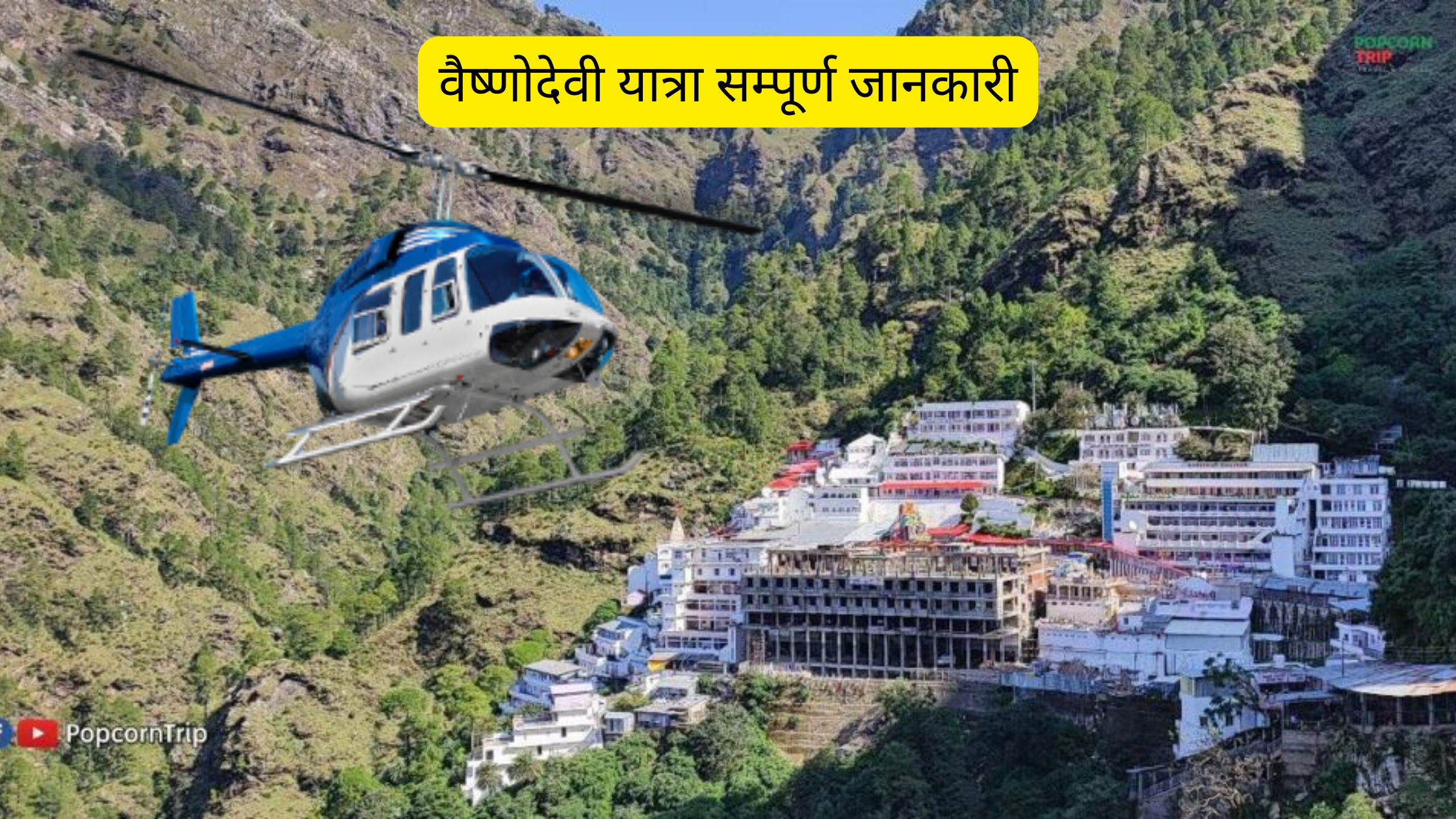
    4. Mode of Travel: The trek from Katra to the Vaishno Devi shrine is approximately 13 kilometers long and can take anywhere from 5 to 10 hours, depending on the pace of the pilgrim. While many devotees prefer to undertake the trek on foot as an act of devotion, alternative modes of travel are available for those who may find the journey physically challenging. These include pony rides, palanquins (palkis), battery-operated vehicles, and helicopter services. Helicopter services operate between Katra and Sanjichhat, reducing the trek to just 2.5 kilometers from Sanjichhat to the Bhawan.

    5. Packing Essentials: Packing appropriately for the Yatra is crucial for a comfortable and hassle-free journey. Comfortable walking shoes are a must, as the trek involves walking on uneven terrain. Depending on the season, pack clothing that will keep you warm or cool. It is also advisable to carry a small backpack with essentials such as water, snacks, a first-aid kit, and any personal medications. For those visiting during the winter months, ensure you carry adequate layers, including gloves, caps, and thermal wear.

    6. Health Considerations: The Vaishno Devi Yatra can be physically demanding, especially for the elderly, children, and those with health conditions. It is advisable to consult a doctor before undertaking the pilgrimage if you have any health concerns. The Shrine Board provides medical facilities along the Yatra route, including emergency services, but it is always better to be cautious. Staying hydrated and taking regular breaks during the trek can help prevent fatigue and altitude-related issues.

    7. Understanding the Route: Familiarizing yourself with the Yatra route and the important stops along the way can enhance your pilgrimage experience. The main checkpoints include Banganga, Charan Paduka, Adhkuwari, Sanjichhat, and Bhawan. Each of these stops has its own significance, and pilgrims often take a moment to offer prayers at these locations. Adhkuwari, in particular, is an important stop as it is believed that Goddess Vaishno Devi meditated in a cave here for nine months.

    8. Respect for Religious Practices: The Vaishno Devi Yatra is a sacred journey, and it is important to respect the religious practices and customs associated with it. Dress modestly and follow the guidelines provided by the Shrine Board. Photography is restricted at certain points, especially inside the holy cave, so it is essential to adhere to these rules. Maintaining cleanliness and not littering along the route is also a mark of respect for the holy site.

    History and Mythology

    Legend of Vaishno Devi

    The legend of Vaishno Devi is deeply rooted in Hindu mythology and speaks of the divine origins of the Goddess and her mission on earth. According to ancient scriptures, Vaishno Devi is believed to be a manifestation of the collective powers of the three Hindu goddesses—Goddess Lakshmi, Goddess Saraswati, and Goddess Kali. These three goddesses came together to create a powerful energy form, Vaishno Devi, who was sent to Earth to uphold righteousness (dharma) and rid the world of evil forces.

    The story of Vaishno Devi begins with a young girl named Vaishnavi, born in the southern part of India to a devout Brahmin family. From a very early age, Vaishnavi exhibited extraordinary spiritual powers and a deep devotion to Lord Vishnu. Her parents recognized her divine nature and encouraged her spiritual pursuits. As she grew older, Vaishnavi decided to renounce worldly pleasures and devoted her life to meditation and serving humanity.

    Vaishnavi undertook a pilgrimage across the country, eventually reaching the Trikuta Mountains in the northern region, where she began intense meditation and penance. It was during this time that Bhairon Nath, a demon and a powerful tantric, became aware of Vaishnavi’s presence and, driven by lust and greed, sought to capture her. Vaishnavi, realizing the threat, fled to the Trikuta Mountains and took refuge in a cave.

    Despite her attempts to evade him, Bhairon Nath pursued her relentlessly. Finally, Vaishnavi, revealing her true divine form as the Goddess Vaishno Devi, beheaded Bhairon Nath at the entrance of the cave with her trident (trishul). The head of Bhairon Nath fell at a distant hilltop, where a temple dedicated to him now stands. In his last moments, Bhairon Nath realized his mistake and begged for forgiveness. The compassionate Goddess granted him salvation and declared that her devotees must visit Bhairon Nath’s temple to complete their pilgrimage.

    The Discovery of the Holy Cave

    The discovery of the holy cave of Vaishno Devi is attributed to a local shepherd named Shridhar. According to the legend, Shridhar was a devout follower of the Goddess and often performed religious rituals in her honor. One day, the Goddess appeared in his dream and instructed him to organize a grand feast (bhandara) for the villagers. Though Shridhar was poor and unable to afford such an event, his unwavering faith in the Goddess compelled him to obey her command.

    As Shridhar prepared for the feast, the Goddess, disguised as a young girl, appeared and miraculously provided all the food and resources needed for the event. During the feast, Bhairon Nath also appeared and tried to capture the divine girl. She escaped, leading Shridhar and others to the Trikuta Mountains, where she finally revealed her true form and disappeared into the cave. Guided by the divine presence, Shridhar discovered the cave and became the first devotee to worship at the sacred site.

    Religious Significance of the Site

    The holy cave of Vaishno Devi holds immense religious significance in Hinduism. The cave is considered one of the 108 Shakti Peethas, sacred sites dedicated to the Goddess Shakti. It is believed that visiting this shrine with devotion leads to the fulfillment of one’s wishes and spiritual liberation. The Vaishno Devi Yatra is thus seen as a journey of both physical and spiritual significance, where devotees seek the blessings of the Goddess for health, prosperity, and protection.

    The pilgrimage is also symbolic of the devotee’s journey toward self-realization and the ultimate union with the divine. The cave, representing the womb of the earth, is seen as a place of rebirth and spiritual awakening, where the devotee sheds worldly attachments and emerges purified and blessed by the Goddess.

    Getting There: How to Reach Katra (The Base Town)

    By Air: Nearest Airport

    The most convenient way to reach Katra, the base town for the Vaishno Devi Yatra, is by air. The nearest airport to Katra is the Jammu Airport, also known as Satwari Airport, located approximately 50 kilometers away. Jammu Airport is well-connected with major cities in India, including Delhi, Mumbai, Bengaluru, and Kolkata. Several airlines operate daily flights to Jammu, making it a popular choice for pilgrims traveling from distant parts of the country.

    Once you land at Jammu Airport, you have several options to reach Katra. Taxis are readily available outside the airport terminal, and the journey to Katra takes about 1.5 to 2 hours, depending on traffic conditions. The drive is scenic, offering beautiful views of the surrounding mountains and lush greenery. For those looking for a more budget-friendly option, shared taxis or minibusses are also available, providing a cost-effective way to reach Katra.

    By Train: Nearest Railway Station

    Another popular way to reach Katra is by train. The nearest railway station to Katra is the Shri Mata Vaishno Devi Katra Railway Station, located just 2 kilometers from the town center. This station is well-connected to major cities across India, including Delhi, Mumbai, Chennai, and Kolkata, through a network of regular trains. Some of the most popular trains that operate on this route include the Shri Shakti Express, Jammu Mail, and Uttar Sampark Kranti Express.

    Traveling by train to Katra offers the advantage of comfort and affordability, especially for large groups or families. The Shri Mata Vaishno Devi Katra Railway Station is equipped with modern amenities, including waiting rooms, food stalls, and booking counters, ensuring a pleasant experience for pilgrims. Upon arrival at the railway station, you can easily find auto-rickshaws, taxis, or buses to take you to your hotel or directly to the starting point of the Yatra.

    For those who prefer a seamless travel experience, several trains also offer direct services to Katra from major cities, eliminating the need for any additional transfers. This is particularly convenient for elderly pilgrims or those with mobility issues, as it allows for a more straightforward journey to the holy site.

    By Road: Bus and Taxi Services

    For those who enjoy road trips, traveling to Katra by road is a great option. Katra is well-connected by a network of national highways, making it easily accessible by bus, taxi, or private vehicle. The drive to Katra is picturesque, with winding roads offering stunning views of the mountains and valleys, creating an atmosphere of anticipation as you approach the holy town.

    Several state-run and private bus services operate daily from major cities in North India, including Delhi, Chandigarh, and Amritsar, to Katra. These buses range from standard to luxury options, catering to different budgets and preferences. The journey by bus can take anywhere from 10 to 14 hours, depending on the starting point and traffic conditions. Overnight buses are also available, allowing you to arrive in Katra early in the morning, ready to start your Yatra.

    If you prefer more flexibility and comfort, hiring a taxi or driving your vehicle to Katra is an excellent choice. The roads leading to Katra are well-maintained, and the drive is relatively smooth, with plenty of roadside dhabas (local eateries) where you can stop for a meal or refreshments. Driving also gives you the freedom to stop at various points of interest along the way, such as the historic town of Jammu or the picturesque Patnitop hill station.

    Transportation Options from Katra to the Base of the Yatra

    Once you arrive in Katra, the next step is to reach the base of the Yatra, located at Banganga, approximately 2 kilometers from the town center. From here, pilgrims begin their journey on foot to the holy cave of Vaishno Devi. Several transportation options are available to reach Banganga from Katra, catering to the needs and preferences of different pilgrims.

    Auto-rickshaws and electric rickshaws are the most common and affordable means of transportation from Katra to Banganga. These vehicles are readily available throughout the town and can be hired for a nominal fare. The ride is short, taking about 10 to 15 minutes, and provides a convenient way to reach the starting point of the Yatra, especially for those with luggage or elderly pilgrims who may find walking difficult.

    For a more comfortable and hassle-free experience, you can also opt for a taxi. Several local taxi operators offer services from Katra to Banganga, providing a quicker and more private mode of transportation. Taxis can be easily booked through your hotel or at designated taxi stands in the town. The fare for a taxi ride is slightly higher than that of an auto-rickshaw but offers the advantage of comfort and convenience.

    For those who prefer a more leisurely pace, you can also choose to walk from Katra to Banganga. The walk is pleasant, with well-paved roads and beautiful views of the surrounding landscape. This option allows you to soak in the spiritual atmosphere and prepare yourself mentally and physically for the Yatra ahead.

    Reaching the Trek Starting Point from Your Hotel

    Once you arrive in Katra and check into your hotel, the next step is to make your way to the starting point of the Vaishno Devi Yatra, which is Banganga. Here’s a guide on how you can reach the trek starting point from your hotel:

    1. Hotel Arrangements

    Many hotels in Katra offer shuttle services or can arrange transportation for their guests to the trek starting point. It’s a good idea to check with your hotel in advance to see if they provide this service. If available, this can be the most convenient option, allowing you to travel directly from your hotel to Banganga without any hassle.

    2. Auto-Rickshaws

    Auto-rickshaws are a popular and cost-effective mode of transportation in Katra. They are easily available near most hotels. You can hire an auto-rickshaw to take you from your hotel to Banganga. The ride typically takes about 10 to 15 minutes, depending on traffic and the location of your hotel. It’s advisable to agree on the fare with the driver before starting the journey to avoid any misunderstandings.

    3. Electric Rickshaws

    Electric rickshaws are another environmentally friendly and comfortable option. These vehicles operate within the town and are ideal for short distances. They can be hired from designated stands or can be arranged through your hotel. Similar to auto-rickshaws, electric rickshaws are affordable and provide a smooth ride to Banganga.

    4. Taxis

    Taxis offer a more private and comfortable mode of transportation. They can be arranged through your hotel or hired from taxi stands in Katra. While taxis are more expensive than auto-rickshaws or electric rickshaws, they provide a more direct and comfortable journey to Banganga. The drive usually takes about 10 to 15 minutes.

    5. Walking

    If you prefer a leisurely start and your hotel is located close to the starting point, you might choose to walk to Banganga. The walk can be pleasant, especially if your hotel is in the central area of Katra. The route is generally straightforward, and walking allows you to acclimatize to the surroundings and enjoy the local scenery. Ensure you start early to avoid the heat and crowds.

    6. Shared Vehicles

    Shared vehicles, such as minibuses or group taxis, may be available at certain points in Katra. These can be a cost-effective option if you are traveling with a group or want to share the ride with other pilgrims. Your hotel might also be able to arrange or direct you to these shared vehicle services.

    7. Pre-Arranged Transfers

    For a hassle-free experience, especially if you have a large group or prefer a more organized approach, you can pre-arrange transportation through travel agencies or your hotel. This option typically includes pickup from your hotel and drop-off at Banganga. It is advisable to book these services in advance to ensure availability and to clarify any specific requirements you might have.

    Overview of the Yatra Path (Katra to Bhawan)

    The Vaishno Devi Yatra is a sacred pilgrimage undertaken by millions of devotees every year. The journey begins at Katra, the base town, and takes pilgrims through a well-defined path leading up to the holy cave, known as Bhawan, where the shrine of Goddess Vaishno Devi is located. The trek from Katra to Bhawan is approximately 13.5 kilometers long and is a journey of devotion, endurance, and spiritual fulfillment.

    The Yatra path is well-maintained and equipped with essential facilities such as food stalls, medical aid centers, resting points, and washrooms. The route is marked with clear signboards guiding pilgrims along the way. The path is also lit up at night, allowing pilgrims to undertake the Yatra at any time of the day. While the trek may seem challenging, the spiritual energy and the sight of fellow devotees keep the pilgrims motivated and focused on reaching the holy cave.

    Important Checkpoints

    As you embark on the Yatra, you will pass through several important checkpoints, each holding its significance and offering an opportunity for rest and reflection.

    1. Banganga: The first major checkpoint is Banganga, located approximately 2 kilometers from Katra. According to legend, Goddess Vaishno Devi created a water stream here by striking the ground with her arrow (baan) to quench the thirst of her devotee, Hanuman. Pilgrims often take a dip in this sacred stream before proceeding further on the Yatra. Banganga is also the point where the actual uphill trek begins, and you can find facilities like refreshment stalls and lockers to store your belongings.
    2. Charan Paduka: About 1.5 kilometers from Banganga, you will reach Charan Paduka, a sacred site where the footprints of Goddess Vaishno Devi are believed to be imprinted on a rock. This checkpoint serves as a reminder of the divine presence guiding the pilgrims on their journey. Many devotees stop here to offer prayers and seek blessings before continuing their trek.
    3. Adhkuwari: Located approximately 6 kilometers from Katra, Adhkuwari is one of the most significant stops on the Yatra route. It is believed that Goddess Vaishno Devi meditated here for nine months in a cave, known as Garbh Joon, before moving to the holy cave at Bhawan. Pilgrims often visit the Adhkuwari temple to seek blessings and, if time permits, crawl through the narrow cave as a symbolic gesture of rebirth. Adhkuwari also has a resting area, medical aid center, and food stalls, making it a good place to take a break.
    4. Sanjichhat: The final major checkpoint before reaching Bhawan is Sanjichhat, situated at an altitude of 6,200 feet. This spot offers panoramic views of the surrounding mountains and valleys, providing a sense of peace and tranquility. Sanjichhat is about 9.5 kilometers from Katra, and from here, the path to Bhawan is relatively flat and easy to walk. Facilities like shelters, food stalls, and medical assistance are available here, allowing pilgrims to rest and prepare for the final leg of the journey.

    Distance and Time Required for the Trek

    The total distance of the Yatra from Katra to Bhawan is about 13.5 kilometers. The time required to complete the trek varies depending on the individual’s pace and fitness level. On average, it takes around 5 to 8 hours to reach Bhawan from Katra on foot. Pilgrims are advised to take breaks at the various checkpoints to rest and rehydrate, ensuring a comfortable and enjoyable journey.

    For those who may find the trek physically demanding, there are alternative options available to make the journey easier.

    Alternative Routes

    1. Helicopter: For a quicker and more convenient option, pilgrims can opt for a helicopter service from Katra to Sanjichhat. The helicopter ride takes only about 8 minutes, and from Sanjichhat, it is a short 2.5-kilometer walk to Bhawan. Helicopter tickets can be booked online in advance, and the service is especially helpful for elderly pilgrims or those with health issues.
    2. Pony and Palki: Ponies and Palkis (palanquins) are available for hire at Katra for those who prefer not to walk. Ponies can carry a single person, while Palkis are carried by four porters and can accommodate one person. These services are popular among pilgrims who may have difficulty walking long distances or who want to enjoy the journey without physical strain.
    3. Battery-Operated Vehicles: Battery-operated vehicles are available from Adhkuwari to Bhawan for a nominal fee. This eco-friendly option is particularly convenient for elderly pilgrims, pregnant women, and those with mobility issues. The vehicles provide a smooth and comfortable ride, allowing pilgrims to enjoy the scenic beauty of the route without exerting themselves.

    Attire for the Yatra: Dressing Appropriately for the Vaishno Devi Pilgrimage

    Importance of Dressing Appropriately for the Pilgrimage

    Dressing appropriately for the Vaishno Devi Yatra is crucial for ensuring both comfort and respect during the pilgrimage. The journey involves a significant amount of physical activity, including a trek of approximately 13.5 kilometers, which requires suitable attire to manage varying weather conditions and maintain comfort. Moreover, as a religious pilgrimage, it’s important to dress modestly and respectfully, reflecting the sanctity of the journey and the religious atmosphere of the shrine.

    Recommended Clothing Based on the Season

    Summer Attire: 

    During the summer months, temperatures in Katra can rise significantly, making lightweight and breathable clothing essential. Opt for:

    • Lightweight Fabrics: Choose clothing made from breathable fabrics like cotton or moisture-wicking materials that help keep you cool and dry. Avoid heavy or synthetic fabrics that can cause discomfort and overheating.
    • Light-Colored Clothing: Light colors reflect sunlight and help keep you cool, whereas dark colors absorb heat. Wear light-colored shirts, trousers, or shorts to manage the heat effectively.
    • Sun Protection: A wide-brimmed hat or cap can protect your face and neck from the sun. Sunglasses are also recommended to shield your eyes from UV rays.
    • Layering: While it is hot during the day, temperatures can drop in the evenings. Carrying a light jacket or shawl can provide warmth when needed.

    Winter Attire: 

    In the winter, temperatures can drop significantly, especially as you ascend to higher altitudes. It’s important to dress in layers and keep warm:

    • Warm Clothing: Wear thermal or insulated layers, including a base layer (thermal wear), an insulating middle layer (fleece or wool), and a waterproof outer layer (jacket). This layering system helps trap heat and provides flexibility to adjust to changing temperatures.
    • Warm Accessories: Hats, gloves, and scarves are essential to protect extremities from the cold. A woolen cap and gloves will help keep you warm, while a scarf can protect your neck and face from chilly winds.
    • Insulated Footwear: Opt for waterproof, insulated boots that provide warmth and prevent your feet from getting wet and cold. Ensure they are lined and comfortable for the trek.

    Comfortable and Breathable Fabrics for the Trek

    Regardless of the season, choosing comfortable and breathable fabrics is key to an enjoyable trek. Fabrics such as moisture-wicking synthetics, lightweight cotton, and merino wool are ideal for managing sweat and maintaining comfort during the long walk. These materials help in regulating body temperature and reducing chafing, ensuring that you stay dry and comfortable throughout the journey.

    Footwear: Sturdy, Comfortable Shoes

    Footwear plays a crucial role in your Yatra experience. Given the nature of the trek, it’s essential to wear sturdy, comfortable shoes that are suitable for long distances.

    • Sturdy Hiking Shoes: Choose hiking shoes or trekking boots with good ankle support, cushioning, and grip. Ensure they are well-fitted and broken in before the pilgrimage to avoid blisters and discomfort.
    • Waterproof Options: Waterproof footwear can be beneficial in case of rain or if you encounter wet conditions along the trail. This will keep your feet dry and warm, adding to your comfort.

    Additional Items

    • Caps and Scarves: These items provide additional protection from the sun during the summer and help retain warmth during the winter.
    • Protective Gear: Consider carrying a rain poncho or umbrella to shield yourself from unexpected rain and a small, lightweight backpack to carry essentials such as water, snacks, and extra clothing.

    Adherence to Modesty and Respect

    The Vaishno Devi Yatra is a spiritual journey, and dressing modestly is a sign of respect for the religious setting. Pilgrims should wear clothing that covers the body appropriately. Avoid wearing revealing or inappropriate attire, and ensure that your clothing is clean and respectful of the religious sentiments associated with the pilgrimage.

    Preparations for the Yatra

    Best Time to Visit

    The best time to undertake the Vaishno Devi Yatra is during the cooler months, from March to October. During these months, the weather is more favorable for trekking, with moderate temperatures and less humidity. The peak pilgrimage season is during the summer months (May to June) and around the Navratri festival, so plan your visit accordingly to avoid large crowds. The winter months (November to February) are also ideal, especially for those who prefer cooler weather and fewer pilgrims.

    Weather Considerations and Appropriate Clothing

    Weather conditions can vary greatly depending on the time of year. In summer, temperatures can be quite high in Katra, so lightweight, breathable clothing is essential. In winter, temperatures can drop significantly, particularly at higher altitudes, making warm, layered clothing necessary.

    Summer: Opt for lightweight, moisture-wicking fabrics, a wide-brimmed hat, sunglasses, and sunscreen to protect yourself from the sun.

    Winter: Layering is crucial. Wear thermal undergarments, a warm fleece or sweater, and a waterproof, insulated jacket. Don’t forget warm accessories such as gloves, a hat, and a scarf.

    Physical Fitness and Stamina Requirements

    The trek to Vaishno Devi involves walking about 13.5 kilometers from Katra to the Bhawan, with varying inclines and terrain. While it is manageable for most people, good physical fitness will enhance your experience. Regular walking or light jogging can help build stamina before the pilgrimage. Staying hydrated, well-rested, and maintaining a steady pace will also contribute to a smoother trek.

    Packing Essentials

    Packing wisely is crucial for a successful Yatra. Here are some essentials to include:

    • Comfortable Footwear: Invest in sturdy, well-fitted hiking shoes with good grip and ankle support. Ensure they are broken in before the trek to prevent blisters.
    • Water: Carry a water bottle to stay hydrated. There are water stations along the route, but it’s best to have your own supply.
    • Snacks: Pack high-energy snacks like nuts, granola bars, or dried fruits to keep your energy levels up during the trek.
    • Medication: Bring any personal medications you may need, along with a basic first-aid kit for minor injuries or ailments.

    Accommodation Options

    In Katra, a range of accommodation options are available, from budget hotels to luxury resorts. It’s advisable to book your stay in advance, especially during peak seasons. Along the Yatra route, there are limited accommodation options, primarily at Adhkuwari and Sanjichhat, which offer basic facilities for pilgrims. Pre-booking these accommodations can ensure a more comfortable stay during your pilgrimage.

    Important Rituals and Darshan

    The Significance of the Holy Cave and the Three Pindis

    The holy cave of Vaishno Devi is a revered site, believed to be the manifestation of the goddess Vaishno Devi. Within the cave, three sacred Pindis represent the primary deities: Maha Kali, Maha Lakshmi, and Maha Saraswati. These Pindis symbolize the divine feminine energy and are central to the worship and rituals performed by pilgrims. The cave and the Pindis hold immense religious significance, and the sight of these deities is considered a profound spiritual experience.

    Performing the Rituals During the Yatra

    During the Yatra, pilgrims are expected to follow certain rituals to honor the goddess and seek her blessings. Here’s a guide on how to perform these rituals:

    1. Preparation: Before starting the trek, pilgrims should offer prayers and seek permission from the goddess for a safe journey. It is customary to carry offerings such as flowers, fruits, and sweets.
    2. The Trek: As you trek from Katra to the cave shrine, maintain a devotional mindset. Pilgrims are encouraged to chant hymns or mantras to keep focused on their spiritual goal.
    3. Entering the Cave: Upon reaching the holy cave, pilgrims should first offer their respects by touching the entrance with their head. Once inside, they can make their way to the sanctum sanctorum where the Pindis are enshrined. Offer flowers and perform a simple puja, including the offering of aarti and prayers.
    4. Offering Prayers: It is customary to express gratitude and seek blessings for health, prosperity, and peace. Pilgrims may also offer donations or partake in the prasad distributed at the shrine.

    Darshan Timings and Tips for a Smooth Experience

    The cave shrine is open for darshan from early morning to late evening, typically between 5:00 AM to 10:00 PM. However, timings can vary based on seasons and special occasions. To ensure a smooth darshan:

    • Early Arrival: Arrive early to avoid long queues and have a more peaceful darshan experience. Weekdays and non-peak hours are generally less crowded.
    • Dress Modestly: Ensure you are dressed modestly and comfortably. Avoid wearing revealing or inappropriate clothing.
    • Follow the Guidelines: Adhere to the rules and instructions provided by the temple authorities to facilitate a smooth and respectful visit.

    Visiting the Bhairon Nath Temple

    After completing the main darshan at the Vaishno Devi shrine, it is customary to visit the Bhairon Nath Temple, located approximately 6 kilometers from the Vaishno Devi shrine. According to legend, Bhairon Nath was a demon who was vanquished by Vaishno Devi. Visiting this temple is believed to complete the pilgrimage and ensure the fulfillment of wishes. The trek to the Bhairon Nath Temple is relatively shorter but involves a steep climb. Pilgrims should be prepared for this ascent and maintain the same level of devotion and respect.

    Safety and Health Tips

    Altitude-Related Considerations

    The Vaishno Devi Yatra involves ascending to an altitude of about 5,200 feet (1,585 meters). At this altitude, some pilgrims may experience symptoms of altitude sickness, such as dizziness, shortness of breath, or headaches. To mitigate these effects:

    • Acclimatization: Spend a night in Katra before starting the trek to allow your body to adjust to the altitude.
    • Slow and Steady Pace: Maintain a steady, moderate pace while trekking. Avoid rushing or exerting yourself too much to reduce the risk of altitude sickness.

    Emergency Services and Medical Facilities on the Route

    Emergency services and medical facilities are available along the Yatra route to ensure the safety and well-being of pilgrims. Key facilities include:

    • Medical Camps: Several medical camps are established at key points along the route, such as Banganga, Adhkuwari, and Sanjichhat. These camps are staffed with doctors and medical personnel to provide immediate assistance for minor injuries or health issues.
    • Helpline Numbers: Important helpline numbers for emergencies are displayed along the route and at various points in Katra. Keep these numbers handy for quick access in case of an emergency.
    • Emergency Services: For severe health issues, emergency evacuation services are available. Inform the nearest medical camp or authorities if you or someone in your group requires urgent medical attention.

    Tips for Traveling with Children or Elderly Family Members

    Traveling with children or elderly family members requires extra precautions:

    • Health and Safety: Ensure that children and elderly travelers are in good health before embarking on the trek. Carry any necessary medications and medical records.
    • Comfort: For children and elderly pilgrims, consider using ponies or palkis (palanquins) available for hire along the route to reduce the physical strain of trekking.
    • Rest Breaks: Take frequent breaks to rest and allow ample time for recuperation. Ensure that children and elderly members stay hydrated and nourished.

    Staying Hydrated and Avoiding Altitude Sickness

    Staying hydrated is crucial for avoiding altitude sickness and maintaining overall health:

    • Drink Plenty of Water: Carry a water bottle and drink small sips frequently to stay hydrated. Avoid alcoholic beverages and caffeine, as they can lead to dehydration.
    • Eat Light and Nutritious Foods: Consume light, easily digestible foods and avoid heavy or spicy meals that can upset your stomach. Energy-rich snacks like nuts and fruits are ideal for the trek.
    • Monitor Symptoms: Be aware of symptoms of altitude sickness, such as nausea, headache, or breathlessness. If these symptoms occur, rest immediately and seek medical advice if necessary.

    Cultural and Religious Etiquette

    Dos and Don’ts During the Yatra

    Dos:

    • Dress Modestly: Wear modest, respectful clothing. Avoid revealing attire and ensure that shoulders and legs are covered.
    • Follow Temple Guidelines: Adhere to the rules set by the temple authorities, including maintaining silence and behaving respectfully within the shrine area.
    • Maintain Cleanliness: Dispose of litter properly and keep the environment clean. Use designated waste bins to respect the sanctity of the pilgrimage site.

    Don’ts:

    • Avoid Disruptive Behavior: Refrain from loud talking, singing, or any behavior that might disturb other pilgrims.
    • No Smoking or Alcohol: Smoking and consumption of alcohol are prohibited within the shrine premises and along the route.

    Respecting Local Traditions and Religious Practices

    Respect the local customs and practices associated with the Vaishno Devi Yatra. Participate in rituals with reverence and follow any specific guidelines provided by the shrine authorities.

    Photography Restrictions and Guidelines

    Photography is generally prohibited inside the shrine and the holy cave to maintain the sanctity of the space. Ensure you follow signage and instructions regarding where photography is allowed, and always seek permission before taking photos in restricted areas.

    Exploring Nearby Attractions

    Other Religious Sites

    Shiv Khori: Located about 70 kilometers from Katra, Shiv Khori is a prominent religious site dedicated to Lord Shiva. The cave shrine, nestled in the lush Trikuta Mountains, houses a naturally formed Shiva Lingam and is renowned for its spiritual ambiance. The trek to Shiv Khori is less strenuous compared to the Vaishno Devi Yatra, making it an accessible and enriching pilgrimage site. The cave is adorned with vibrant artwork and carvings, adding to its religious significance.

    Raghunath Temple: Situated in the heart of Katra, the Raghunath Temple is dedicated to Lord Rama and is a significant pilgrimage destination in its own right. Established in the 19th century, the temple showcases traditional Hindu architecture and is known for its serene atmosphere. Pilgrims often visit this temple to offer prayers and seek blessings before or after their Vaishno Devi Yatra.

    Natural Attractions

    Patnitop: Approximately 80 kilometers from Katra, Patnitop is a picturesque hill station offering stunning views of the surrounding mountains and lush green meadows. Known for its pleasant climate and natural beauty, Patnitop is an ideal destination for relaxation and nature walks. The area is also popular for activities such as paragliding and trekking, providing a refreshing break from the pilgrimage journey.

    Sanasar: Located about 120 kilometers from Katra, Sanasar is a lesser-known gem with breathtaking landscapes and serene surroundings. The area features expansive meadows, dense forests, and clear blue skies. Sanasar is perfect for picnics, leisurely walks, and enjoying the tranquility of nature. The site is also famous for its adventure sports, including paragliding and rock climbing.

    Other Scenic Spots: The region around Katra is dotted with various scenic spots worth exploring. For example, the picturesque views from the Chenani-Nashri Tunnel and the serene beauty of the Jammu region’s countryside offer additional opportunities for sightseeing and relaxation.

    Shopping for Local Handicrafts and Souvenirs

    Katra Market: The bustling market in Katra is a vibrant place to shop for local handicrafts and souvenirs. The market offers a range of items, including traditional Kashmiri shawls, woolens, jewelry, and religious artifacts. Handcrafted items such as wood carvings, embroidery, and traditional textiles are popular among visitors seeking unique keepsakes from their pilgrimage.

    Local Souvenirs: Consider purchasing small religious items like prayer beads, idol figurines, and devotional books as mementos of your Yatra. These items not only serve as meaningful reminders of your pilgrimage but also make thoughtful gifts for friends and family.

    Conclusion

    Completing the Vaishno Devi Yatra is a deeply spiritual and fulfilling experience, symbolizing devotion and perseverance. The pilgrimage to this sacred shrine offers not only a profound connection with the divine but also a journey of personal growth and reflection. The challenges of the trek and the serene atmosphere of the holy cave contribute to a sense of accomplishment and spiritual enrichment.

    To make your journey memorable, plan ahead, stay hydrated, and respect the religious practices and local traditions. Engaging with the rituals sincerely and appreciating the surrounding natural beauty can enhance your pilgrimage experience.

    As you complete your Yatra, consider exploring other revered pilgrimage sites across India, each offering unique spiritual experiences and cultural insights. Whether revisiting Vaishno Devi or discovering new sacred destinations, your continued exploration of India’s spiritual heritage will further enrich your journey of faith and discovery.

    Additional Resources – Official and Government Websites

    1. Shri Mata Vaishno Devi Shrine Board Official Website:
      • This is the official website of the Vaishno Devi Shrine Board, offering comprehensive information on the Yatra, online services, bookings, and more.
    2. Jammu & Kashmir Tourism Department:
    3. Indian Railways (IRCTC) for Train Bookings:
    4. Jammu Airport Information:
      • This link provides details about the nearest airport to Katra, including flight schedules and other relevant information.
    5. Weather Forecast for Katra and Vaishno Devi:

    Travel and Booking Resources

    1. Helicopter Booking for Vaishno Devi Yatra:
    2. Vaishno Devi Yatra Registration:
    3. Accommodation Booking in Katra:
    4. Online Prasad Booking:
      • For those unable to visit in person, this link allows you to book Prasad online, which will be delivered to your home.

    Health and Safety Resources

    1. National Disaster Management Authority (NDMA) Guidelines for Pilgrimages:
    2. World Health Organization (WHO) – Travel Health: